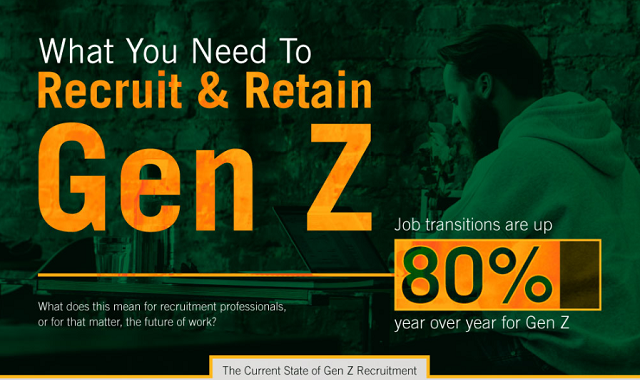
Recruiting and retaining Gen Z in the workforce is vital to the success of most businesses across the globe. In fact, job transitions are currently up 80% year over year for Gen Z. There is now doubt that this group of people has quickly become a major force in the modern workplace. However, companies are currently facing unrivaled challenges around Gen Z recruitment and retention.
YouTube is introducing new AI-powered ad options associated
with Shorts clips and trending music on the platform. The offerings specifically
target Gen Z users and would help brands present their ad campaigns alongside music
that’s trendy with this generation.
The ad solutions, called ‘Gen Z Music’ and ‘Trending Music on Shorts’, will be launched to advertisers in the coming months, as confirmed by YouTube.
Brand preferences of Gen Z’s and older generations are not
quite different for example brands like Google, Walmart and Netflix are at
highest rankings. When the question narrows down to, which brands do the best
with Gen Z as compared to older generations?, the answer would be different.
The data used for the rankings is consumer preference data from Morning Consult to show which brands are favored considerably more by Gen Z when compared to the general public. A brand’s position on the list is determined by the difference in favorability between Gen Z’s survey responses and the average of all U.S. adult respondents.
Twitter for a very long time has been associated with TV
shows that are in trend. There are around 6 tweets shared every single second
in the app which are related to TV shows. Twitter has used this and made most
out of it in different ways such as direct incorporation of live video content into
the platform. Currently, Twitter is the most favorable platform to discuss and
share your views about the latest TV shows, according to the new insights.
The move from baby boomers, to Gen-X, to millennials, to Gen-Z has represented countless changes in every aspect of society. Gen-Z in particular is posed to be one of the most ideologically diverse and interesting generations yet.
By 2031 Gen-Z is predicted to overtake millennials in income, representing more than a quarter of all income globally. This makes the generation a major buying force that companies need to consider the shifting interests of.
These interests, simply defined, are virtues. Gen-Z is the most diverse generation in many ways, and prioritizes solid virtues in companies and each other far more than any other generation.

The traditional accusation at the younger generation or specifically at Gen Z (born between 1995 to 2003) is that they are not as politically or socially active as they should be. The studies believe that Gen Z if do their part can make the world accelerate in the right direction.

Now we are seeing major shifts in the influential history of generations, let’s have a look at how the US generations are ranked in terms of wealth and influence. Before we start with what the infographic explores, let’s know how these generations are defined.
- The Silent Generation: Born between 1928-1945 and ages 76+ years
- Baby Boomers: Born between 1946-1964 and ages between 57-75 years
- Gen X: Born between 1965-1980 and ages between 41-56 years
- Millennials: Born between 1981-1996 and ages between 25-40 years
- Gen Z: Born between 1997-2012 and ages between 9-24 years
- Gen Alpha: Born between 2013-present and ages under 8 years

Social commerce is a fancy name for the social media marketing of products. Basically, all the brands that sell their products online on different social media platforms are related to social commerce. Social commerce has been growing in the past years and the pandemic of Covid-19 boosted it since all the brands shifted to social media platforms to attracted buyers for online shopping. Currently, the prominent platforms that allow social commerce include Pinterest, Instagram and of course, Facebook.
Several people confuse social commerce with e-commerce however, both are totally different. E-commerce means buying or selling products from websites or applications whereas, social commerce is the use of social media platforms to sell or buy different items without leaving the platform.

People born between the years 1997 to 2009 are known as Generation Z. Currently, Gen Z includes more than 2 billion people from all over the world and makes 30 percent of the world’s total population. As per the predictions, Gen Z is expected to account for a 27 percent workforce in the world by 2025.
Since the Covid-19 pandemic has impacted the economies drastically, the unemployment rate globally has peaked but, no other generation has been struck as hard by the pandemic unemployment as Gen Z. According to the data of 2020, the unemployment rate of Gen Z was recorded two times more than any other generation in nearly every OECD country.

The growth of social commerce has taken a spike in the past few years, particularly because it enables people to stick to their comfort levels while placing an order or even doing homework on their favorite brands. The process of social commerce includes purchasing products online. However, social commerce and eCommerce are often confused for one another, but there is a significant difference between the two. eCommerce usually deals with online purchasing, selling, and transactions, whereas Social commerce is all about using the social media platform to sell products to potential customers directly.
Taking time off from the daily work grind gives us time for rest, relaxation and recharging, however many Americans leave unused PTO on the table every year.
Potawatomi Hotel & Casino recently surveyed 2,000 full-time workers across the country to get a better understanding of their PTO habits and how they’ve spent their PTO in 2020. They wanted to see how PTO has changed from this year to last year and to see if people are using more or less PTO. Let’s take a deep dive into what they found.
American’s habits with PTO
For many people, taking PTO has looked a lot differently this year because of the COVID-19 pandemic. Because of the stay at home orders and social distancing, many people are traveling less. Also, many American’s have been furloughed or laid off from their jobs meaning that they lost their access to their PTO.

Following is a list of top countries where it is naturally difficult for a Gen Z adult to survive because of the unfavorable conditions:
- Oregon
- South Carolina
- Nevada
- Florida
- Mississippi
- Georgia
- North Carolina
- Washington
- Arizona
- Alabama
It may be hard to digest the truth, but despite being the emblem of beauty and tourism attraction for millions of people across the borders, these countries have the worst statistics in the said four areas.