Visualistan: Pandemic -->

    Social Items


Pandemic Winners Struggle Harder in the Post-Pandemic World


Zoom Video Communications, the company that won great amount of recognition during the early days of the pandemic, reported better-than-expected results for its first fiscal quarter ended April 30, 2023. With total revenue of $1.11 billion and enterprise revenue of $630 million in the first quarter, Zoom raised its full-year guidance as well, expecting around 2 percent revenue growth for the year ending January 31, 2024. That is indeed a far cry from the growth numbers it posted during the pandemic years, as the working-from-home requirements come to an end and rigid competition from Microsoft Teams, Cisco’s Webex and Salesforce’s Slack have brought the former pandemic high-flyer down to earth.
Pandemic Winners Struggle Harder in the Post-Pandemic World #Infographic

Airbnb Bookings Rise Past Pre-Pandemic High in 2022


Airbnb bookings were seen to be cut by more than 40 percent due to the Covid 19 pandemic in 2020, but were seen to bounce back remarkably well in 2021 and 2022. Driven by the strong uptick in international travel in 2022, Airbnb received bookings more than double compared to 2020 and last year, as the number of nights and experiences booked through the platform surpassed its pre-pandemic extreme. Viewing the gross booking value, Airbnb's performance in 2022 was even more impressive as it exceeded 2019 levels by more than 66 percent, all thanks to average daily rates that were considerably higher last year than they were in 2019.

Airbnb Bookings Rise Past Pre-Pandemic High in 2022 #Infographic

Where Did the Most People Work From Home During the Pandemic?

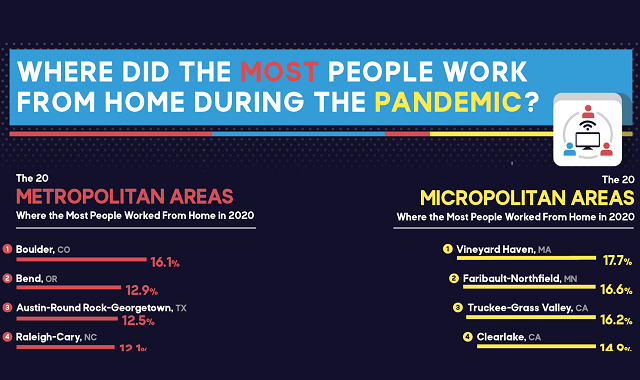
Where did the most people work from home during the pandemic? This question is answered by FinancialForce.com, who analyzed data from the 2016-2020 American Community Survey to create a graphic of the 20 metropolitan, and the 20 micropolitan, statistical areas in the United States that had the highest percentage of people that worked from home throughout 2020; when the pandemic was just beginning. If you’re wondering how these early pandemic numbers compare to that of the pre-pandemic era, well this graphic addresses that question as well.

Where Did the Most People Work From Home During the Pandemic? #Infographic


LinkedIn has started a new conversation around the changing work environment and people’s adjustments to the new ‘work from home’ setting, through its latest promotional campaign.


LinkedIn is examining the changes in work environment and is giving people a chance to express their thoughts, feelings, and concerns regarding the new shift. As stated by the company, “It’s a change in not just how we work, but why we work and a shift in how people are making work, work for them. With this comes a change in how the world is defining what being “professional” really means - and we want to hear what it means to you.”


The company has released an ad of the campaign that talks about “what being professional is” and shows how different people in their career have been professional in ways that have become the new norm of professionalism, ever since the pandemic. The company is also working on additional ways of promoting the campaign through different media, so it can spread the stories and messages of people in relation to it.

LinkedIn is Redefining “Professionalism” with its Latest Campaign

Nursing Homes are Still Facing a Staffing Crisis Due to COVID

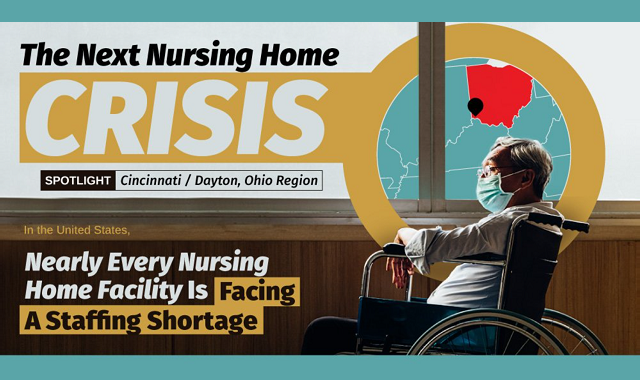
At the beginning of 2020, nursing homes employed 3.38 million Americans and nursing home staff had been on the increase for a whole decade. However, even prior to the pandemic, nursing home staff was retiring at a faster rate than new recruits were coming in. 


Since the pandemic began, nursing homes have been faced with one crisis after another and have been hit hard by the virus itself, but also by all the extra stresses for everything the virus has brought into play in our “new normal.” Today, 99% of nursing homes are facing a staffing shortage, and the crisis is only going to increase if it’s not addressed quickly.

Nursing Homes are Still Facing a Staffing Crisis Due to COVID #Infographic

The Impact of COVID-19 on Central Pharmacies

When you think of what a pharmacy is, you probably think about the local drugstore down the street, or a busy street corner of your favorite pharmacy chain. That’s fine for when it comes to an individual or family that needs to pick up regular prescriptions, but when it comes to the more sophisticated and urgent needs of a hospital system, it’s a whole new ball game.

The Impact of COVID-19 on Central Pharmacies #Infographic

Share of world’s population fully-jabbed against Covid-19

US President Joe Biden has aimed a goal for around 70 percent of the world’s population to get vaccinated fully against the deadly Covid-19 virus by the end of the coming year i.e., 2022. At the moment, more than half of Biden’s goal share of the population i.e., 45 percent have been fully vaccinated against the virus.

It has been a year since the very first person received the very first official dose of the Covid-19 vaccine outside of the clinical trials, the world still has to go a long way in order to reach the target. The uneven rollout of Covid-19 vaccines in different parts of the world is a major cause impacting the vaccination rate in the country.

That is why the share of the population vaccinated around the world is also uneven. As shown in the infographic below, South America has the highest share of the population fully vaccinated i.e., 60 percent. Followed closely by Europe and Oceania with 59 percent and 56 percent of their population fully jabbed.

Share of world’s population fully-jabbed against Covid-19 #infographic

Rebuilding Trust in a Remote Work Environment

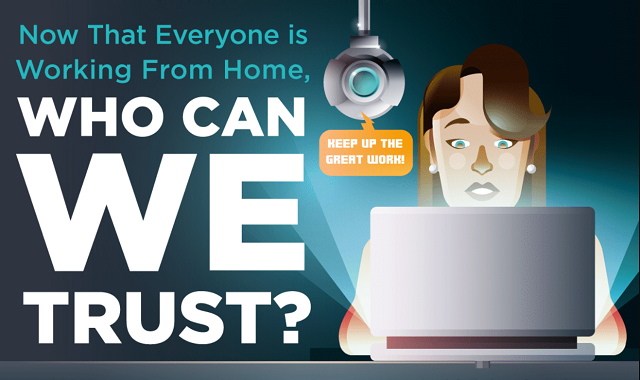
In today’s work environment, employees and their employers are enjoying the benefits of remote work. It’s a switch that took us by surprise at the beginning for the COVID pandemic in 2020, but in most ways the surprise has been a pleasant one. 


Employees are enjoying the ability to work from their own devices with ample workspace. They’re still meeting deadlines and are able to do so with fewer interruptions. They’re motivated and more satisfied in their current positions. 

Rebuilding Trust in a Remote Work Environment #Infographic

26 Ways to Support a Child's Mental Health During the COVID-19 Pandemic

A recent report by UNICEF in the fall of 2021 suggests that the effects of the Coronavirus pandemic on a children's mental health could affect them for many years. Knowing the signs of stress in your children is the first step in being able to offer them help in a way that can relate to their age and level of development. If your infant starts wetting the bed, or having disrupted sleep patterns, or they begin hitting, biting and throwing extreme tantrums, this may be a sign they are experiencing mental stress.

26 Ways to Support a Child's Mental Health During the COVID-19 Pandemic #Infographic

From Fast Food to Heat-to-Eat, Breakfast is Still Our Favorite

Our nation is not the same since the COVID pandemic. So many things we’ve taken for granted in the past have been turned upside down. Grocery stores and fast food restaurants are still closing earlier than usual, and the pandemic has even affected that staple in our society; the American breakfast. 


Americans love breakfast foods, and certainly not just at breakfast time. We’ll eat them at any time of the day. While roughly the same number of people consumed breakfast pre and post pandemic we’ve actually increased our consumption during the pandemic. Of course eggs, bacon, waffles, and pancakes can all be seen as comfort foods, and we’ve had no lack of need for comfort since COVID swept across the globe. 

From Fast Food to Heat-to-Eat, Breakfast is Still Our Favorite #Infographic

The Gig Economy is Helping to Rebuild the US Economy

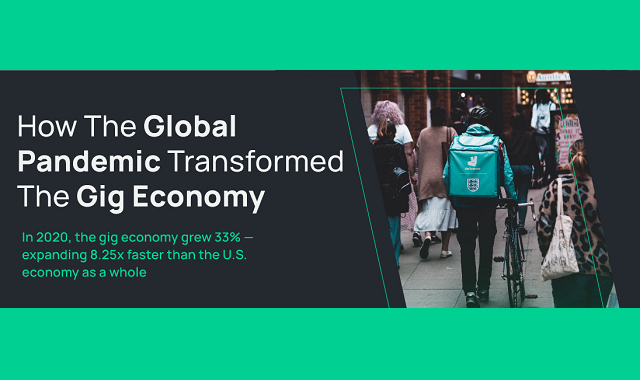
The gig economy has seen a huge growth spurt since the onset of the COVID pandemic. With the unemployment rate climbing to 14% during lockdown, many Americans were faced with finding non-traditional means of bringing in the cash. Gig work has provided many avenues to do just that, and it turns out it’s a pretty sweet deal. 


Gig workers enjoy the flexibility and 58% of them work less than 30 hours a week. They also tend to make more money than their peers. In fact, a delivery driver makes an average of 50k per year. The opportunities for growth are certainly there as well, as 73% of hiring managers are planning to use gig workers, and 4 out of 5 businesses also plan to increase their use of gig workers, with 50% already having done so. 

The Gig Economy is Helping to Rebuild the US Economy #Infographic

The Careers Were Searching for the Most During the Pandemic

The COVID-19 pandemic has been a wake-up call for many American workers looking to make career changes. Many people have either been forced out of work or are hesitant to return to jobs in the traditional office setting. Career sentiments have shifted, and many are taking this time to pursue new career opportunities. 


A HR technology and services company called Elements Global Services recently analyzed Google search trends across a collection of several hundred job and career related queries in the U.S. between February 2020 and July 2021 to try and learn more about what restless workers are searching for during the pandemic. They also surveyed 500 millennials and Gen Zers to learn more about their attitudes towards their careers and what the future looks like for their career choices. 

The Careers Were Searching for the Most During the Pandemic #Infographic

Subscribe Our Newsletter