Which tree has been chosen by your state to be its official state tree? The practice of declaring a state tree began back in 1919 when Texas selected the pecan tree to represent their state. Since then all 50 U.S. states have chosen a tree that best represents their state, with more than a third of the states choosing a pine or oak tree.

The greenhouse has proven to be one of the most cost-effective solutions for the preservation of agriculture and its future. It doesn’t even require too much money for maintenance as its ultimate purpose is to conserve sunlight and energy into a glasshouse and grow plantation amidst the most favorable conditions to achieve the best results.

It would not be an overstatement to say that years from now, the world will find itself in severe agricultural troubles because the universal fact says that the population is growing and there is nothing we can do to control it in the near future. Therefore, researchers around the globe came up with an instant solution called Vertical Farming so that the fear instilled in the hearts of farmers is put to rest, and the same goal could be achieved in a different way.
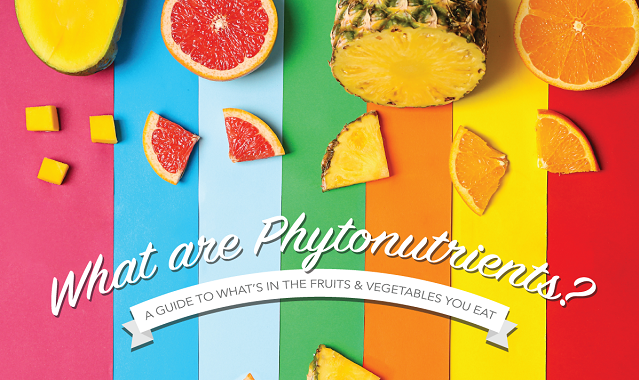
You must have seen all those plants with bright, vivid colors and pleasant aromas but, do you ever wonder that what gives plants such vibrant colors and aromas? Well, phytonutrients are the ones behind the secret.
What are Phytonutrients?
Phytonutrients, also typically known as ‘Phytochemicals,’ are substances produced by plants. These substances help the plants to thrive pathogens and predators. In addition, they also provide the plants with all the rich colors along with their distinctive aromas and tastes. Apart from these, phytonutrients are packed with surprising health benefits.
Gardening can be a tricky business, and while it may seem that all you have to do is water and fertilize, it's not as straightforward as it appears on the surface. It's not hard either, but you just have to be a bit careful if you want your grass to grow healthy and happy.
So let's figure out the science behind sunshine and water. We all know that our botanical friends need both water and sunshine, otherwise, how will they grow and survive? Suppose you're watering your lawn in the middle of the day, then that will not turn out to be ideal. The sunshine is burning hot and most of the water will be evaporated, leaving just a little behind for your green friends to benefit from. Hence, even the time when you water and fertilize your lawn can have a drastic impact.
Let's start off with the common characteristic of CBD and Hemp oil- both are derived from hemp plants, although the parts they are extracted from differs. Hemp oil comes from hemp seeds, whereas CBD oil comes from the stems, stalks and flowers of the same plant. CBD oil is used mostly for therapeutic purposes, as it consists of cannabinoids. On the other hand, hemp oil is used less in lotions and creams, and more as a traditional cooking oil. It is also beneficial for skin problems, such as acne and much more.
It is important to bust some myths regarding cannabis in particular. Cannabis has not had the best reputation in the past, but now we can see the trends change as more cannabis-based consumer products are being used. The issue arises due to legality, as mass consumption of cannabis in the form of smoking can lead to dangerous and drastic side effects. This is not true as CBD oil is extracted from a non-psychoactive hemp plant.
Gardening is a very peaceful experience, the feeling of watching something gradually come to life in front of your eyes, is unparalleled and soothing. If you think you don't have a green thumb, well think again! Gardening isn't as tough as it may seem. Sure, there's a lot that you should remember while planting, such as the seasons of various plants. Not every plant can grow and bloom year-round, some are specifically for winter, others are for summer, and so on. If you have been thinking about growing your own food, then you're at the right place.
Growing your own vegetables and fruits guarantees you power and stability, and also assures you that what you're eating is healthy and safe. However, it is important to remember that not every plant can grow in every region of the world. You may find that some countries export more tomatoes than others, some more mangoes, and that's because those fruits and vegetables have the potential to multiply really well in the particular region's climate.
Plants are used for various purposes such as, gardening,
home décor, purifying the air, producing medicines, etc. However, little do you
know how some plants that you might have grown in that little garden of yours
or placed in your living room to make it look more attractive can benefit your
health.
We spend the bulk of our time indoors nowadays. That's why we need to ensure our homes are well-kept and safe for our families. One thing we all fear at home is pests, good thing there are simple ways for us to ensure pests are away from our homes. Learn how to build a green and healthy ecosystem for you while at the same time warding off insects with this infographic!
We love seeing plants filter our air out in the open as they repair our everyday oxygen. We're much less worried about the air that we breathe in our homes though. This Capital Garden Services infographic takes you through how you can use houseplants to clean the air inside your home.
Indoor air pollution can have a negative effect on your health so having a few houseplants in your house is really worth it. Don't worry about the plants being taken care of as many of the plants featured don't require much watering or even sunlight.
A snake plant, for example, is a great addition to any bedroom and requires only water once or twice a month, and only minimal direct sunlight. We spend so much time in our bedrooms, that keeping the air quality at a decent level is always a good idea.
At some point in our lives, we all are struck with different kinds of bugs in our homes. No matter what the type is, bugs can be annoying as they bring about damage and allergies with them. Getting rid of bugs is not an easy task; using bug fix chemicals can cause a health risk, so people are finding natural bug fixes to get rid of them. Using natural bug fixes can keep the bugs and insects away, and you can be safe without the use of harmful pesticides. Here are eight easy ways to get rid of these tiny unwanted creatures from your houses.
One
of the natural bug fixers is peppermint bug spray for ants. The method of
making this spray is to fill the spray bottle halfway with water, add ½ cup of
witch hazel, add ten drops of peppermint essential oil. After adding all the
solutions, shake up the solutions, and spray around ant entry points, ants can
go away with the smell of peppermint and be dissuaded from entering.
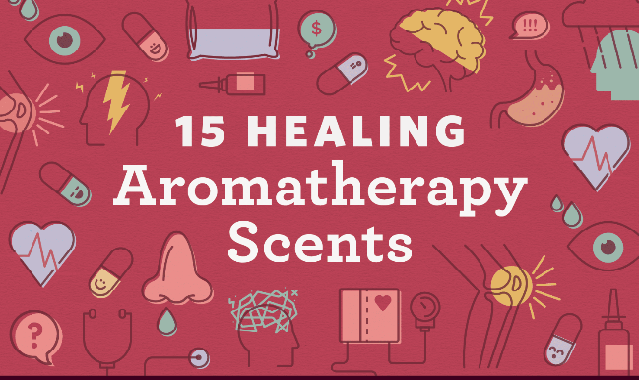
Plant-based fragrances have been used over the years
in aromatherapy. The aroma scents are scientifically proven to improve our
health as they are a hundred percent natural and pure. These aromatic compounds
derived from plants are mixed with an oil carrier and are called essential
oils. The essential oils used have shown to improve mental, physical, and
spiritual health. Many people use these scents to relax their mind and body
because they work like a miracle for relaxation and depression too. To get the best out of essential oils, you can add it to your diffuser, in your body spray, add a few drops in your tea, add it to your favorite balm or put a few drops to burn inside your fancy candle.
For insomnia and sleep, lavender oil is the best
essential oil; it also reduces the heart rate and relaxes the body and mind.
Most importantly, it alleviates anxiety. Bergamot is also an essential oil that comes under
the category of insomnia and sleeps; it lowers the cortisol level and helps you
unwind. To boost our mood, we can use bergamot. Vanilla is
the third essential oil that can be used for insomnia and sleep; it has a
soothing effect and eases restlessness. This oil is the best therapy for
relaxation. Vanilla works like a miracle to alleviate hyperactivity.
Bamboo has become a fashionable plant
as it can be utilized as a houseplant; it is environmentally friendly and
fantastic building material. Adding a ''lucky bamboo'' to our interior helps to
add a modern look.
Bamboo is using widely around the world
because it is excellent for the environment; it absorbs carbon dioxide and
releases over 30% more oxygen into the atmosphere compared to equivalent mass
trees. One of the reasons why people prefer bamboo is that it grows 80% faster
than hardwoods.
Last decade 75% of Americans changed up their diet to be healthier. And while fad diets such as Paleo, Whole30, Ketogenic and Mediterranean were some of the most popular a new decade is already promising an increase in plant-based dieters. 43 million Americans are already regularly eating plant-based alternatives and with restaurants such as Red Robin, Subway and Burger King introducing their own plant-based foods the availability should encourage even more.
Many are still confused as to how plant-based differs from vegan or vegetarian diets and while they are similar it does differ in a few ways. Simply put the diet means eating minimally processed whole foods, maximizing fruit and vegetable intake and limiting or eliminating meat, eggs, and dairy.
Already plant-based diets are seeing amazing weight loss results and health benefits such as aiding in reducing inflammation factors that are often associated with cancer and heart disease. Continue reading on to find out more about the amazing benefits of a plant-based diet here.
World Health Organization recently conducted a survey where
they concluded that plant-based eating is more popular than meat. In fact, more
than 52% of Americans claimed to be vegetarian. The WHO also notes that the
number of vegetarians has increased 600% from 2014 to 2017.
Reason: Research
shows that greens combat many diseases including heart diseases, cancer, and diabetes.
According to scientists, the plant-eaters are able to consume more fiber,
vitamin C and E, magnesium, potassium, and folate than meat-eaters.
Additionally, the vegetarians said that changing their diet
from meat-based to plant has increased their productivity at work and makes
them feel better. Growing concern over environmental and ethical issues has
also led many Americans to change their dietary demands.
Although they are reluctant to give up meat altogether, the non-vegetarians
do approve with the plant-eaters regarding the benefits. Specifically, the millennials
who are more cautious of their health have limited their intake of meat significantly
to reap in some advantage.
The growing demand for vegetarian items has led many fast-food giants to rethink their menus as
well. This includes Burger King, TGI Friday’s, KFC, and White Castle who are
(or will soon be) adding meat alternatives to their menus.
Bugs can be a real nuisance to your home and an even worse problem for your house plants. You spend all that time and energy tending to your indoor garden, only to have it threatened by pests that have invaded your home.
What can you do about it? Luckily there are some plants you can add to your home or indoor garden that actually help repel insects and other indoor pests. That way, you can add to the depth of what you're growing or add a bit of green to your decor without worrying about inviting in any unwanted guests.
Although some crops may look harmless, they may lead to an early conclusion. Watch for four itchy crops! Be sure! These crops are: Ivy Poison, Oak Poison, Sumac Poison and Nettle Stinging. Each one has physical features that are simple to detect, as long as you understand what you want. This graph shows how each of the hazardous crops can be identified by its height, color, leaves and geographical place.
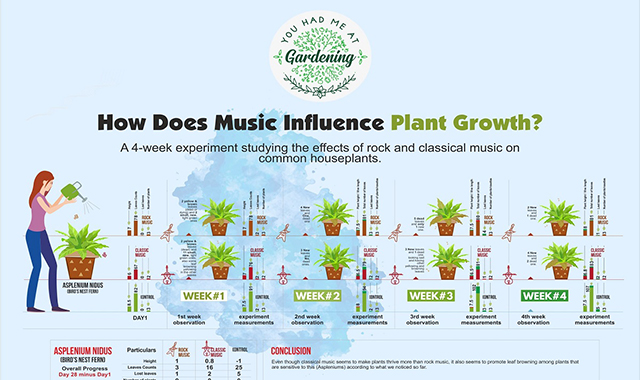
There is a lot of studies on this subject, with outcomes that are more or less coherent. Some claim the best music for crops is classical music, while others tend to agree that any form will produce the same outcomes as long as it is within acceptable rates of noise. We decided to test the many theories about music's impact on plant growth.
We therefore performed our own greenery experiment to find out what kind of music crops like. Read on to see how we've done it, what crops we've used and how we've evaluated music's effect on crops.
Ever since our ancestors first picked up their buckets and trowels, curating your own plant collection has been a great way to stay one step ahead of the Joneses. Green-thumbed creations can be traced back to around 600 BC. The Hanging Gardens of Babylon was said to have multiple tiers, and so many trees that it resembled a green mountain.
While most of us can’t match the Babylonians for scale or budget, there’s plenty of exciting and innovative ways to display your indoor plants. After all, your plants are much as an expression of your personality as your record or book collections, so it’s important to display them with the same level of pride and artistry. Plus, it’s not just about looks – they can also help to improve air quality, cover up bad scents and muffle loud noises.
Have you ever gone out to water your garden in the morning only to find holes in your plants’ leaves that weren’t there the day before? Some leaf-eating insects can cause so much damage in just a few days that your plants might be dead within the week!
Use our quick guide to identify the pest eating your plant and what solution would be best to keep that bug away from destroying your garden. We’ll also list out a few additional insects below to keep an eye out for that could hurt your plant’s leaves.
Subscribe to:
Comments (Atom)