Visualistan: Gardening -->

    Social Items

Top 6 Causes of Plant Burns in Indoor Gardening: How to Protect Your Plants

Indoor plant scorching is often misunderstood as a lighting spectrum issue, but this Infographic reveals six key culprits and solutions. BATA LED GROW LIGHT Blog Infographic lists the top 6 causes of plant burns in indoor gardening. Over-fertilization (particularly nitrogen/potassium excess) tops the list, causing leaf burn and root damage. High temperatures and overheating grow lights emerge as silent killers, dehydrating plants and disrupting growth. Lighting mistakes like prolonged exposure, improper hanging distances, and excessive PPFD intensity also cause leaf burn by overwhelming plants.

Top 6 Causes of Plant Burns in Indoor Gardening: How to Protect Your Plants

How to Take Care of Your Lawn

You're a green person. And not just any green person, you want to be careful about every little detail. But you don't know where to start. It is essential to plan out your entire lawn calendar to make sure things work out well. Let's have a look at the tasks that you should be careful about.

There are many processes that need to be taken into account. Watering is, of course, the very basis of all these. But there are other tasks such as aerating, turfing and top dressing. All of these terms can confuse beginners in particular.

How to Take Care of Your Lawn #Infographic

The History of Lawns

The magical feeling that comes from seeing greenery and having it around us is unparalleled. If you have a house, you probably have a lawn yourself as well. If you don't, you may have come across lawns many times at various places. But have you ever wondered how the concept of lawn started? Let's take a step back into the past and see how lawns looked like centuries ago. It may take you by surprise that the origins of lawns can be traced to Africa, all the way back in the 12th century. African savannas like to keep their grass levels low so that they are able to keep an eye out for danger.

Sodding, that is the process of turfing, first started in Japan in 1159 AD. Since there were no machines or technology of any sort at that time for sodding, it was done entirely by hand. Sodding is not only limited to Japan though and it was prominent in other regions at that time as well. The tradition of having low-level grass and turfing had indeed become famous during the 12th century and farm animals used to contribute their part in keeping the grass neat and low thanks to grazing.

Stepping a bit forward into the 12th and 13th centuries, we can find bowling greens. As the name suggests, bowling greens were actually spaces dedicated to outdoor sports. Golf is one of the most prominent examples of sports that consists of vast bowling green spaces but these spaces were also for cricket, tennis, croquet and others. In the 15th century, soccer also became a part of the bowling greens spaces family.

The History of Lawns #Infographic

How to Properly Water and Fertilise Your Lawn

Gardening can be a tricky business, and while it may seem that all you have to do is water and fertilize, it's not as straightforward as it appears on the surface. It's not hard either, but you just have to be a bit careful if you want your grass to grow healthy and happy.

So let's figure out the science behind sunshine and water. We all know that our botanical friends need both water and sunshine, otherwise, how will they grow and survive? Suppose you're watering your lawn in the middle of the day, then that will not turn out to be ideal. The sunshine is burning hot and most of the water will be evaporated, leaving just a little behind for your green friends to benefit from. Hence, even the time when you water and fertilize your lawn can have a drastic impact.

How to Properly Water and Fertilize Your Lawn #Infographic

Gardens: How Do They Look Around the World?

Centuries ago, gardens were mostly dedicated to farming purposes and cultivating crop for food. But those times are in the distant past and gardens are very different as we know them today. Sure, people still choose to grow food in their own gardens, but gardening is now also about aesthetics and design.

We can justify that beautiful gardens are actually a thing since garden designing is even included as an actual academic discipline now. Just like any other form of art and design, a person's garden can give away a lot about their personality. For example, many people choose to have fountains and other ornaments in their garden, while others don't.

Gardens: How Do They Look Around the World? #Infographic

The Lawnmower: History and Transformation

Whether you own a beautiful garden or not, you must be aware of how important it is to keep the grass short! Had it not been for the lawnmower, you would be spending hours and even days to keep your garden in shape... But when was the lawnmower actually invented and how far has it come?

The roots of today's lawnmower date all the way back to 1830. The motive back then was to keep the grass of golf courses game-ready all the time. So it all started with the need to keep golf courses tidy and neat, and this sophisticated machine with blades slowly started being reinvented for general garden purposes as well.

The Lawnmower: History and Transformation #Infographic

Gardening: When and What to Plant

Gardening is a very peaceful experience, the feeling of watching something gradually come to life in front of your eyes, is unparalleled and soothing. If you think you don't have a green thumb, well think again! Gardening isn't as tough as it may seem. Sure, there's a lot that you should remember while planting, such as the seasons of various plants. Not every plant can grow and bloom year-round, some are specifically for winter, others are for summer, and so on. If you have been thinking about growing your own food, then you're at the right place.

Growing your own vegetables and fruits guarantees you power and stability, and also assures you that what you're eating is healthy and safe. However, it is important to remember that not every plant can grow in every region of the world. You may find that some countries export more tomatoes than others, some more mangoes, and that's because those fruits and vegetables have the potential to multiply really well in the particular region's climate.

Gardening: When and What to Plant #Infographic

You Can Grow These 10 Vegetables Again!

A lot of us have gardens and backyards full of plants that will bear our fruits and vegetables, but many of us are also deprived of that privilege. The only affirmation for people in the latter category is daydreaming about apple orchards, banana trees, firmly grounded carrots and fat, rounded potatoes. If you've been craving to grow your own food, especially veggies, the good thing is that you can make something out of the scraps.

Why should you regrow vegetables? Firstly, you will save up a lot of money, secondly, you'll be watching over the entire growth process and be comfortable knowing that nothing toxic has gone into it. The best part is that not much space is required to grow these veggies again from their leftovers. You don't need a huge garden or backyard to do some quick veggie gardening. If you live in an apartment, that will do the trick.

You Can Grow These 10 Vegetables Again! #Infographic

4 Plants You Should Have in Your Home to Keep Pests Away

We spend the bulk of our time indoors nowadays. That's why we need to ensure our homes are well-kept and safe for our families. One thing we all fear at home is pests, good thing there are simple ways for us to ensure pests are away from our homes. Learn how to build a green and healthy ecosystem for you while at the same time warding off insects with this infographic!

4 Plants You Should Have in Your Home to Keep Pests Away #infographic

Growing Marijuana Indoors: The Ultimate Guide For Beginner

Growing marijuana indoors does not require a huge green thumb or a huge amount of knowledge on how to grow pot. While growing weed indoors poses some challenges for someone new to the hobby–and there's a ton of misinformation out there about how weed can grow indoors–this effort doesn't have to be strenuous.

Growing Marijuana Indoors: The Ultimate Guide For Beginner #infographic

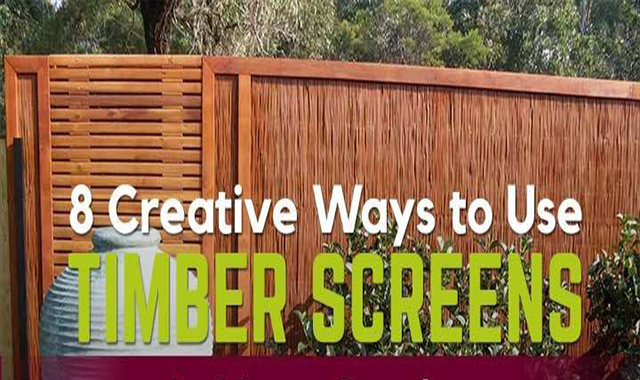
8 Creative Ways to Use Timber Screens in Your Garden

Timber privacy screens are wonderfully versatile thanks to their organic texture, perfectly capable of matching any property. Choose from merbau, white oak, or kempas panels and then finish your screen with a color of your choice, whether you want a natural look or a walnut or mahogany hue.

But besides that, you'll be surprised at all the ways you can use your garden's timber screens! Add privacy to a garden that is otherwise open, provide shade without completely blocking the breeze, or set up a splash back barbecue that will rave your friends and family.

8 Creative Ways to Use Timber Screens in Your Garden #infographic

What Homeowners Need To Know About Roofing

It is essential to keep the remaining roof and your belongings free from weather to keep your roof in good working order. Homeowners need to understand how their roof tightens their domestic water and the types of damage to keep their investments intact. This article and infographic gives you an opportunity to begin to understand your roof and to look at possible replacement materials when the time comes.

Let's start with the design of your roof. The rafters form your roof's basic structure, acting as a skeleton for the rest of the roof. Over the rafters are spread a sheathing placed over the surface of the roof. The felt bottom is mounted on the sheathing to stop moisture from being placed between the sheathing and the external roofing material. Guttering and sparklinging help bring water to the surface so it does not sit and ruin the roof. At the end of the rafter, Fascia and Soffit enclose the gaps below the eaves of your roof to keep animals and birds out of the awning and protect the awning.

The choices for external roofing are almost infinite. When you intend to replace the roof in the near future, please be aware that more expensive roofing items entail long-term investment and are a few decades long, whereas low-cost materials may have to be replaced within about ten years. Clay, tile, metal roofing and wood shake are ideal alternatives for all who are in search of good long-term quality. Slate is also the longest-lived, although the most costly roofing choice.

What Homeowners Need To Know About Roofing #infographic

Subscribe Our Newsletter