Visualistan: Interview -->

    Social Items

Warning signs that you are entering a toxic work environment

In today’s world, where getting a decent job is extremely difficult, but one thing that every individual overlooks while accepting a job offer is the environment of their workplace. A healthy environment plays a greater role than a higher post. There are undoubtedly several amazing firms where people dream of working; however, many out of such companies are rotten apples when it comes to the environment of their workplace.

What exactly is a toxic work environment?


All you need to work efficiently is peace, friendly and cooperative staff, non-judgmental colleagues, and proper management. Any workplace that lacks these things is most likely to disturb you mentally and physically both. Bullying, harassing, discrimination, offensive comments and judgmental people eat all of a person’s self-esteem. A workplace where you are unable to work with peace of mind and body is toxic.

How to spot a toxic work environment?


It is surely not easy to spot the toxicity of the office’s environment in the first look unless you know all the warning signs that the infographic (attached below) tells. A 15-minutes long interview is insufficient to tell whether the firm and its environment will be suitable for you or not. All those smiles and sugar-coated words can trap you from falling for the job offer. In order to save yourself from falling into the trap, know the following questions that you should ask one by one as soon as the interviewer says, “Any questions?”;

  • What are the core values of your company?
  • What challenges would I come across in the advertised position? 
  • What kind of dynamic does your team have? 

Warning signs that you are entering a toxic work environment #infographic

Poor choice of questions in interviews

Interviews are quite exhaustive, especially for those who take stress ten times more than necessary. For years, people have undergone the painful or sometimes satisfactory process of interviews and faced their fate with heavy hearts. The infographic below throws light upon some of the most absurd and poor choices of questions asked by the interviewers.

Poor choice of questions in interviews #infographic


U.S. President Donald Trump mentioned in an interview with Barstool Sports founder Dave Portnoy taped this Thursday, that he often regrets his tweets and retweets. He has also been a subject of criticism over the way he uses his Twitter account, the concern of which he expressed in the interview as well. The President is known for tweeting and retweeting controversial messages on Twitter.


We put it [the tweet] out instantaneously, we feel great, and then you start getting phone calls, ‘Did you really say this?’ I say, ‘What’s wrong with that?’ And you find a lot of things.”, the President went on to say in the interview. Then he continued, saying that the tweets are not really the problem, but the retweets.


Trump had also mentioned similar things in an interview last year, where he said that some of his tweets caused trouble for the White House.

Donald Trump Expresses Regret for his Tweets and Retweets

Twenty-five common interview mistakes
You will likely experience an interview, and it is essential to know what the interviewers want you to do and also what they don’t want you to do. You should always prepare for what the interviewers can ask. Doing research a night before is necessary, 47% of the employers expect their interviewees to research about their company beforehand. Reading their history can add points because no one wants to hire a person who doesn’t even know what the company does.

33% of employers decide within 90 seconds whether or not you are suitable for this job, that is likely because 55% of your first impression is due to your appearance the way you walk, talk and act. Being late shows your lack of respect for the interviewer's time and even meeting deadlines, this is not acceptable, and you should call the interviewer and inform them earlier. Arriving too early, this disrupts their schedule, come almost 10-15 minutes soon to the interview and not more. 40% of the interviewers dislike candidates that do not smile and make this an excellent reason not to hire them. If you don’t make eye contact, this decreases your chance by 67% to get hired, even seen as distrustful and shady. 40% of your chance lowers by speaking in a low tone that is talking erratically, talking too much, or too little. 

Twenty-five common interview mistakes #infographic

25 Interview Mistakes That Employers Hate

In 90 seconds 33 percent of employers determine whether to recruit you or not, and this is mainly because 55 percent of their first impression is due to your face, your way of talking, walking and acting. Here are 25 of the most common mistakes that most of the interviewees make so you can stop them and get the best chance to get your dream job landed.

25 Interview Mistakes That Employers Hate #infographic

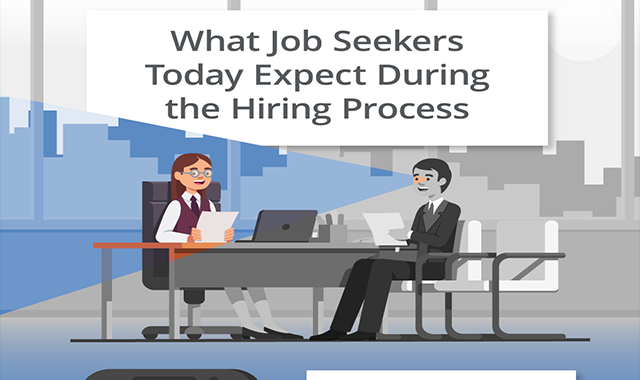
What Job Seekers Today Expect During the Hiring Process

The job seekers of today expect a streamlined hiring process— simple apps, frequent communication, and organized onboarding. Sixty-eight percent of individuals believe the candidate experience reflects how the company treats its staff. Taking the time to develop these processes will give the advantage the company needs to attract top talent.

What Job Seekers Today Expect During the Hiring Process #infographic


The right time to do different daily tasks
There are many tips to improve productivity, many of the tips do work, but there are some ways where our own body is trying to tell when the best time to do certain things. Some studies found that the best time to learn new things is between10 am and 2 pm, and then from 4 pm to 10 pm. During these intervals, our brain is in acquisition mode and willing to absorb new things and information. 
 Exercise can be done at 7:00 am because the research suggests that exercising before breakfast is the most helpful in losing weight and boosting our energy levels. The reason is that it sets up the body for an all-day fat burn.

The right time to do different daily tasks #infographic

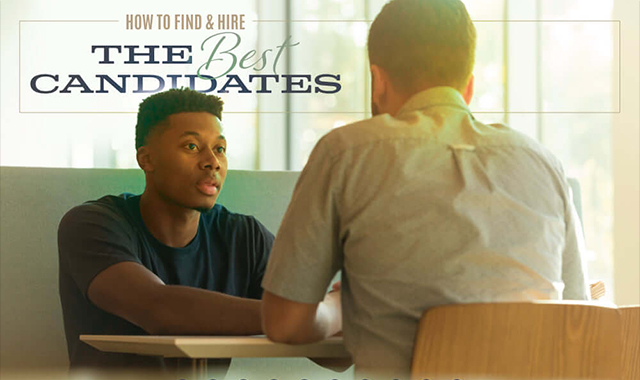
How To Find and Hire The Best Candidates

It is just as important for the employer to be prepared during a job interview as the applicant. Nearly 7 in 10 hiring managers struggle to fill crucial positions and end up with a bad fit. The cliche ”describe a time when…” line of interview questions have become standard, but you can’t find the perfect fit for your company by asking the same questions everyone else does.

Ask questions along the lines of “What do you know about us and why do you want to work here?” Open-ended questions such as “Could you tell me about a time when you were bored at work” make people think about their real answer rather than the sought-for response. For applicants, take the time to stand out before your interview.

 Research the company you’re interviewing with, have a strong LinkedIn presence, and connect with others by creating and engaging with content Finding the perfect new hire starts with asking the right questions.

This infographic exemplifies strong interview questions to ask while on the hunt for strong candidates.

How To Find and Hire The Best Candidates #infographic

What to Wear for Different Job Interviews

As if job interviews weren’t stressful enough, what with trying to remember the right things to say and do, you also have to think about what you’re going to wear. After all, interviews are all about showing yourself in the best possible light, and your interview outfit is part of that, says Heather Tranen, founder of Schtick, which offers career coaching and personal branding.

What to Wear for Different Job Interviews #infographic

The hiring process decoded: Plus tips to nail your next interview

The average corporate job opening attracts 250 resumes. And of these candidates, only four to six will be called in for an interview. So if you land that interview, how can you help ensure you remain a top candidate? Beyond getting there early and dressing right, there are strategies you can take to show you’re a professional, prepared, and knowledgeable applicant.

 For instance, you can stay up to date with company and industry news by setting up Google alerts with the company’s name and any relevant industry search terms. You can also create a cheat sheet that lists career successes and accomplishments that you didn’t include on your resume. Read on for more helpful tips to help you feel confident and in control at your next job interview.

The hiring process decoded: Plus tips to nail your next interview #infographic

10 red flags to watch out for when hiring your next employee
Nearly three fourths (74 percent) of employers say they’ve hired the wrong person for a position. That’s bad news: Employers have a lot to lose when an employee doesn’t work out.

The hiring process takes an average of 42 days and may involve hours of face-to-face meetings, testing, paperwork, contacting references, and performing background checks. Companies spend an average of $14,900 per bad hire. Want to make sure you hire the right person for your next job opening? Check out the infographic below to discover 10 common red flags to look out during the hiring process.

10 red flags to watch out for when hiring your next employee #infographic

Subscribe Our Newsletter