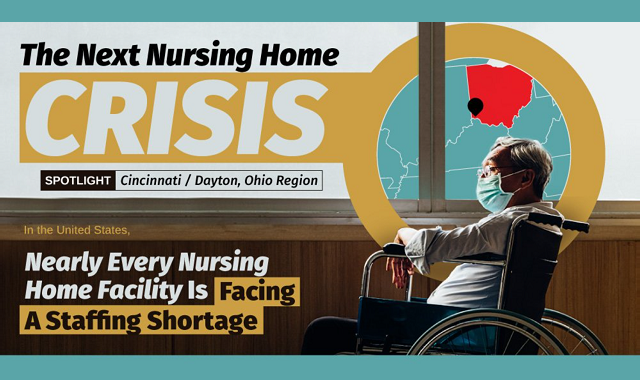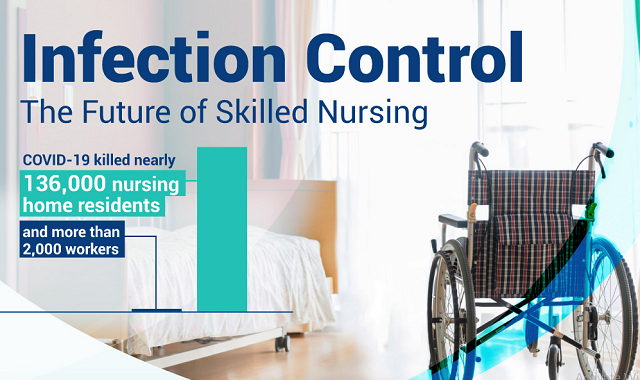
At the beginning of 2020, nursing homes employed 3.38 million Americans and nursing home staff had been on the increase for a whole decade. However, even prior to the pandemic, nursing home staff was retiring at a faster rate than new recruits were coming in.
Working as a nurse educator allows nurses to combine a passion for nursing with a love of teaching. Nurse educators are responsible for guiding and inspiring the next generation of nurses. They play a fundamental role in the healthcare system and help shape the future of nursing and patient care. There is a high demand for nurse educators, and they typically enjoy attractive salaries and plenty of higher-level career opportunities.
Training to become a nurse educator takes time, and you will need to invest in your education by completing an advanced degree like a masters in nurse education online. A masters in nurse education online program is designed to equip registered nurses with the skills and knowledge to become effective educators. If you are interested in the future of nursing and would like to pass on your skills and experience to student nurses, then a career as a nurse educator could be the right fit for you. Here are ten steps that you will need to take to become a nurse educator:
Step 1: Learn about the role of a nurse educator
If you are keen on the idea of pursuing a career as a nurse educator, then you must do research and gain a good understanding of the role. Completing an advanced degree like a masters in nurse education online is a huge investment. Transitioning from a registered nurse to a nurse educator will also have a big impact on your day-to-day duties and working conditions. With that in mind, you must learn about the responsibilities of a nurse educator and determine that this is the best career path for you.
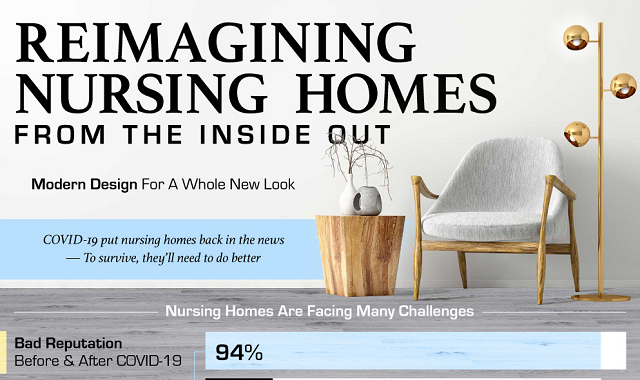
Reflecting back on one year after the pandemic outbreak started making the news, nursing homes - in an industry that isn’t usually so in the spotlight - was front and center. Our eldery population is among the most vulnerable to COVID and therefore special precautions must be made. Many seniors were facing challenges that were new, such as an unprecedented loneliness by not having physical access to their guests, friends, and loved ones Now that the world is hopefully rebuilding from the start of the pandemic, how do we safely build the future of nursing homes and set up the industry for success?
One year after the start of the global pandemic, the nursing home industry has been going through significant challenges. As we are speaking about one of the most susceptible groups of people in regard to the coronavirus, significant measures must be taken to insure that their health is taken care of seriously. What’s interesting is that while many prioritize physical health, mental health - caring about the individual - is also of tantamount importance. Many seniors were cut off from their families and human contact was a significant factor to boosting their mental health.
As we now are passing the one year mark of the start of the pandemic, some of our most vulnerable citizens are getting vaccinated first and trying to again live some semblance of normalcy. Many will be going into nursing homes for the first time, while others will be there as they were before.
Nursing homes need to upgrade their appearances: both online and in person as well. How? A transformative image with a focus on aesthetic beauty is essential as a positive physical appearance makes people feel more comfortable and at home. One way to improve both the safety and beauty of nursing homes is through improvements in nursing home flooring.

The truth is, older adults need a lot of attention from their family members and would be happier if they stay in their own homes with some in-home services. Numerous facilities and a number of different options are offered by home care services that include a half-time caregiver who only comes for a specific time limit, perform their activities, then leave, and a full-time or live-in caregiver who lives in the same house and is there for the person 24/7.
The profession of nursing and anything related to the field of medicine and healthcare is a highly noble one. And this has always been the case, for nurses are equally important as doctors are. In fact in 2020, due to the global pandemic, we have all learned how important it is to have empathetic and professionally trained nurses.
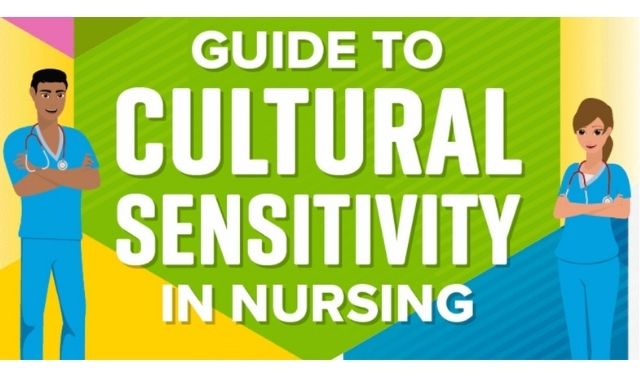
Globalisation has brought along with it the need for diversity and sensitivity. There are many examples that can prove that being diverse and sensitive has now become more preferable than being ethnocentric. For instance, many employers seek a diverse skillset and even languages, when they're on the lookout to recruit new employees. But they also seek that the person has amazing soft skills, such as communication and empathy. Similarly, cultural sensitivity is being assured even on campuses, in schools, and in every discipline and profession that we can think of.
Nursing is one such profession where cultural sensitivity is being taken seriously. The nature of the profession demands the highest form of empathy for those looking forward to establishing a career in nursing. Now let's visualise the nursing landscape in the United States. As a country, the United States has citizens belonging to a multitude of religions, races and nationalities.
The COVID-19 pandemic has taken thousands of lives in the United States. Perhaps the largest group affected by the pandemic are the elderly. Coronavirus ran rife through nursing homes in the early stages and continues to impact residents.
The following graphic by NANHA.org visualizes coronavirus nursing home deaths by the state in America. Nursing homes in the northeast in particular were hit hard, with Massachusetts, New Jersey, Connecticut, and Rhode Island topping the list of states with the most coronavirus deaths in nursing homes. Massachusetts experienced 124 COVID-19 deaths per 1,000 nursing home residents and also had one of the highest rates of nursing home cases at 337.4 per 1,000 residents.
This map shows just how deadly the coronavirus was in nursing homes across the United States.
Nursing is not an easy profession; it requires immense stamina, activeness, and a fresh mind. You need to stay alert throughout your shift and also be prepared for emergency shifts. If we talk about the current Covid-19 pandemic situation, nurses, along with other medical staff, were on their toes 24/7. These medical professionals are extremely important in our lives for the sake of our well-being. Our thanks won’t do justice to all the sacrifices and hard work these nurses do, but some discounts would be really help them in saving some amount.