Ooma’s five-year power outage analysis shows that power outage length and frequency depend on each state’s power grid stability and emergency response capabilities. Delaware is the peak of power grid efficiency, with the shortest average outage duration of 101 minutes. Despite Delaware’s exposure to coastal storms and hurricanes, its strong grid is due to the state’s small size, responsive crews, and well-maintained grid system. Massachusetts is right behind Delaware with an average outage time of 102 minutes.
Since the war started in Ukraine, there have been reductions
in Russian gas supplies and to address this issue, the countries of European
Union had set a goal of reducing their natural gas consumption by 15 percent
between August 2022 and March 2023 compared to the average of the past five
years. In December, Eurostat announced that the EU is on track with that goal,
with gas consumption in the EU-27 falling by about 20 percent over the
August-November period (compared to the 2017-2021 average).
For years, hydropower, coal and gas have been the primary
sources of producing energy worldwide. Countries have now started to adopt the
newer methods using intermittent sources of power like solar and wind. Due to
these sources, the need of energy storage has increased especially because now
grid-scale power dams, coal, natural gas and nuclear is not the source. These
sources are quite useful but there are challenges like during the night and
when weather is cloudy or there is no wind blowing. Due to these challenges
energy stored in the energy storages will have to be utilized in order to run
communities, businesses and hospitals.
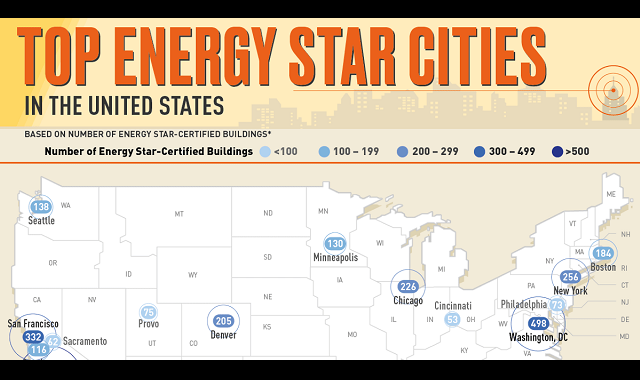
Do you live in a city that values the importance of lessening their carbon footprint? Some of the most energy efficient cities contain the most Energy Star certified buildings. These buildings have lower utility bills which leads to a large profit margin. These buildings are certified every year and use about 35% less energy than other buildings around the same size around the US.
This infographic shows the increase in solar panel efficiency over time and it is fascinating to see how far we have come in this world in creating solar power. Green energy and renewable energy is great for the environment, and there are hundreds of thousands of uses for solar power across the globe. More and more households are adding solar panels to their rooftops as energy prices soar.
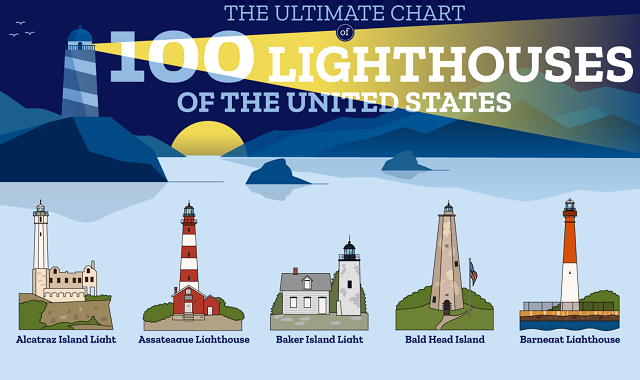
Lighthouses have been beacons of maritime navigation for centuries. They serve a very important part in making sure boats and other marine vessels stay safe and navigate where they need to go. There are many historic lighthouses around the United States that have provided guidance for boats throughout the years.
There are many ways to generate power and some are better for the environment than others. Wind, water and solar energy don't create harmful emissions like coal or nuclear power plants. In the US, the Biden administration wants a completely carbon pollution-free power sector by 2035 and they want to extend that to zero emissions economy-wide by 2050.
Renewable energy is the future of the energy industry, and the U.S. Energy Information Administration has projected that by 2050, 45% of global energy generation will be through the use of renewables. There are a variety of different renewable energy sources to use, each with their own pros and cons. One con of some of these systems is the high price tag, but other options are much more affordable.
Solar power is converted energy from the sun that is then used for thermal heating purposes or electricity to power homes or commercial businesses. It is the cleanest and most widely available green energy resource. Solar power can be generated without the use of energy monopolies, without worrying about rising energy prices or fear of price fluctuations due to international political relations. It will also never run out (in our lifetime anyway). Solar power is a sustainable, reliable and affordable green energy.
For many high school graduates in today's world, finding an eco-friendly college campus has become a much bigger priority than it ever was in the past. The team at SolarPower.guide recently shared this infographic which ranks the 30 universities from around the United States that use the most green energy as a percentage of their total power use.
In the past, wood was the only source of energy in the United States. It was used for heat, cooking and light in nearly every household until around the mid-1880s when fossil fuels came into play. Natural gas, coal and oil then took over the planet as the major sources of energy. These fossil fuels have also been the biggest sources of global warming leading to more extreme weather, flooding and heat waves. It wasn't until the 1990's when Hydropower became the most used renewable energy and climate change even began being mentioned. In 2020 U.S. energy consumption from renewable products like biofuels, geothermal energy, solar energy, and wind energy hit record highs.

The transition towards improved electricity access in many parts of the world determines better production and distribution of electricity among the nation. According to the Paris Agreement, access to electricity is the main goal since it indicates health, wealth, and longevity.
If you want what's best for the planet, then it's important to understand just how environmentally friendly the companies that you support on a regular basis actually are. This infographic from SolarPower.Guide looks at what companies out there in the world today are using the most green energy to help the environment overall.
Renewable energy has been the most resilient form of energy since the Covid-19 pandemic and lockdown began. In the first quarter of 2020 the global use of renewable energy increased 1.5%. Bills are being passed through legislation in Australia and America to end the sale of non-electric vehicles by 2035. Wind power is estimated to have had the largest increase among all renewables in 2020 due to new farms and projects around the globe.

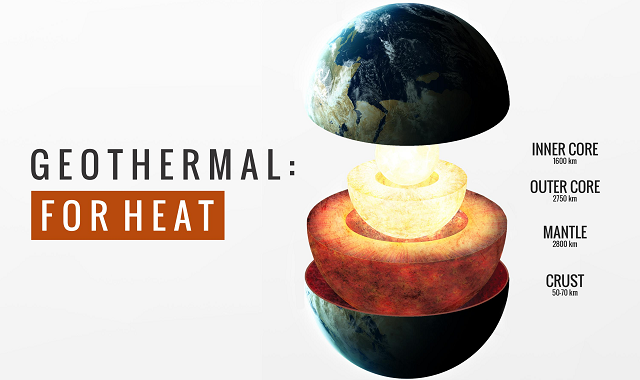
The thermal energy generated and stored in the Earth is known as Geothermal energy. It is used to the temperature of Earth’s matter. Now, geothermal heating is the direct utilization of geothermal energy for heating purposes.

The increase in global renewable energy in the year 2020 was way faster than the previous two decades. The Internal Energy Agency shared a report (as shown in the infographic), reveals that renewable energy was added by an incredible 278 gigawatts of energy which is a 45 percent increase since 1999. Also, this was the largest ever increase in renewable energy since then.
Solar energy has become more popular than ever over the last several years. Due to it being an affordable and easily implemented alternative for an energy source, more and more households across America are making the switch. As the growth of solar power has increased across America, the costs have decreased quite a bit. In fact, since 2014 alone, the cost of solar panels has seen a 50% decrease, which is a large part there are now enough solar installations in the country to power 12 million homes.